Guide
Termite report when buying a home in Tennessee
If you are buying in Clarksville, you will probably run into this report. It's useful, within limits.
What it is
Tennessee calls it a Wood Destroying Insect Infestation Report, issued in connection with the sale or transfer of real estate. The Department of Agriculture says the report must be warranted for 90 days for the accuracy of what it represents. The state's charter rules also cover the people conducting these inspections.
Whether you need one for your purchase comes down to your loan and contract. Ask your lender and agent.
What an inspector looks for
- Mud tubes on foundations, piers and joists.
- Shed wings, or live termites in an active infestation.
- Damaged wood, probed with a screwdriver.
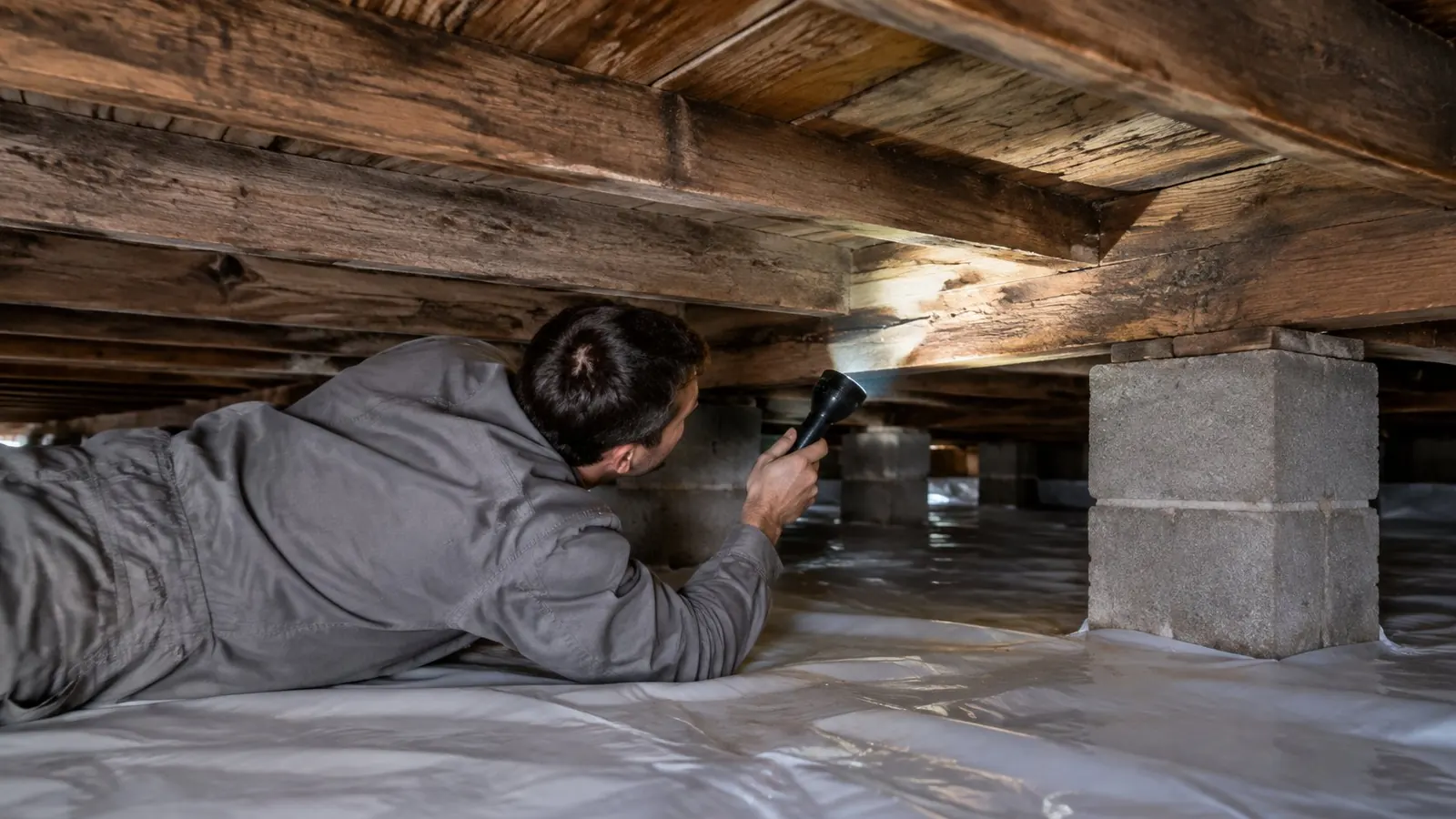
- Conditions that invite termites, such as wood touching soil or moisture in a crawl space.
The limits
An inspection can only cover what can be reached and seen. University of Kentucky entomologists note that infestations can go undetected for years behind walls, floors and insulation, and even a good inspector can miss hidden signs. Read the report's exceptions for areas that weren't accessible, and don't take "none visible" to mean "none there". Tile, paneling and stored items can all hide a lot.
If termites or damage turn up
- Ask to be shown the evidence. The state's tips tell consumers to do this before signing a treatment contract.
- Get more than one opinion and quote. Termites are slow, and a few extra days rarely matter.
- Ask whether the home has an existing termite contract. Tennessee contracts must provide for transfer to later owners within the term.
- Have the structural damage looked at separately by someone qualified to assess it.
After you buy
Ask for any earlier contracts, graphs and treatment records from the seller. Then read what a Tennessee termite contract must contain and how to recognise termites.